


| 往期阅览 · All Issues-> 2026年 · 2026 |
|
||||||||||||||||||||
|
||||||||||||||||||||
|
加入编委 / 副主编 / 同行评议专家
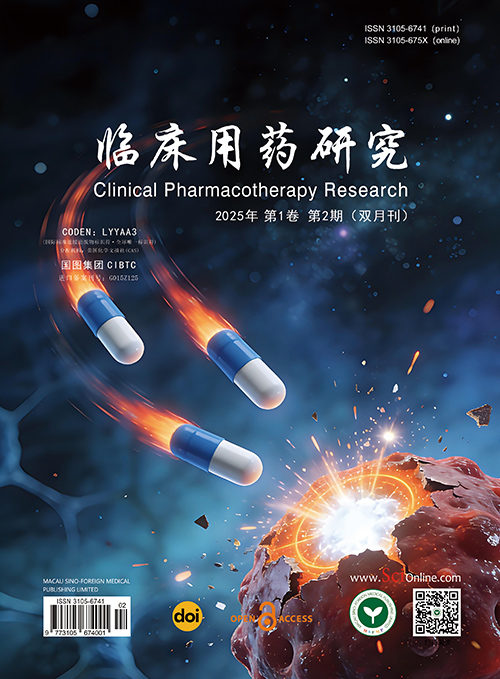
ISSN 3105-6741(Print)
ISSN 3105-675X(Online)
CODEN:LYYAA3
国际标准连续出版物标识符·全球唯一标识符
分配机构:美国化学文摘社(CAS)
DOI前缀:
https://doi.org/10.66106/lyyaa3
国图集团 CIBTC
进口备案刊号:G015Z125
编委会(Editorial Board)
主编
田明哲
同行评议专家
副主编
彭思妍 贺 颖 吕大传
曹 婷 文红琴 姜雨欣
曾浩宇 赖 萌 丁 妍
(以上排名不分先后顺序)
编委
编委会助理
施子辰
索引 / 检索 / 存档(Global Indexing)
本刊入选以下全球权威数据库,致力于研究成果的全球化无障碍传播。
CNKI(中国知网,申请中)
CNKI Open(中国知网·开放平台,申请中)
Wanfang Data(万方数据,中国,更新中)
CQVIP(维普期刊网,中国)
CQVIP(中文期刊服务平台,中国)
RCCSE(中国学术期刊目录,武汉大学)
CJWK(长江文库,中国)
BOOKAN(博看,中国)
591adb(中邮阅读·万章期刊,中国)
Baidu Scholar(百度学术,中国)
Baidu Baike(百度百科,中国)
ICI(哥白尼期刊数据库,波兰)
EuroPub(欧洲学术出版数据库,英国)
MDPI scilit(科学与学术数据库,瑞士)
Crossref(交叉引用,美国)
Semantic Scholar(语义学术,美国)
OpenAlex(全球开源学术平台,加拿大)
ACADEMIA.EDU(学术界,美国)
OUCI(开放乌克兰科学,乌克兰)
WorldCat(世界编目数据库,美国)
Scite(智能引文分析数据库,美国)
The Lens(透镜学术,澳大利亚)
OpenAIRE(开放学术发现门户,欧洲)
Google Scholar(谷歌学术,美国)
DOI(数字对象唯一标识符,英国)
Portico(数字存储库,美国)
J-Gate(开放获取期刊门户,印度)
ResearchGate(研究之门,德国)
Research Commons(科睿唯安,美国)
Socolar(开放获取资源检索,中国,更新中)
Sci Online(科学在线,中国澳门)
OALib(开放存取资源图书馆,美国)
EZB(电子期刊图书馆,德国,申请中)
Road(开放科学学术资源,法国)
ISI(国际科学索引平台,阿联酋迪拜)
ASCI(亚洲科学引文索引,美国)
ESJI(欧亚科学期刊索引,哈萨克斯坦)
ResearchBib(研究者索引,日本)
SPI-Hub™(范德比尔特大学,美国)
SJIF(科学期刊影响因子,印度)
RJIF(研究期刊影响因子)
COSMOS(期刊评价指标,印度)
LivRe!(开放期刊门户,巴西)
KIND CONGRESS(阿塞拜疆)
Journament(质量评估与索引)
IP Indexing(ip索引)
Magzter(跨平台数字期刊,美国)
SlideShare(知识共享平台,美国)
SCRIBD(在线图书馆,美国)
Yahoo! Search(雅虎,美国)
Microsoft Bing(微软学术,美国)
LibKey(学术文献快捷获取工具)
R Discovery(研究者发现平台,印度)
Enterscholar(恩特学术)
SinoMed 中国生物医学文献服务系统
DOAJ 开放获取期刊目录(瑞典)
PubMed 医学文摘数据库(美国)
PubMed Central 医学全文数据(美国)
EMBASE 爱思唯尔·医学文摘(荷兰)
EBSCO 学术文献数据库(美国)
OAJ 全球OA期刊索引(中国)
CABI 国际农业与生物科学中心(英国)
ProQuest 科睿唯安(美国)
Research4Life 世界卫生组织数据库
| 往期阅览 · All Issues-> 2026年 · 2026 |
|
||||||||||||||||||||
|
||||||||||||||||||||